
En 2026 le club du deerhound Suisse fête ses 40 ans, nous organisons un Jubiläums-Deerhound Specialty afin de fêter notre jubilé. Nous serons très heureux de partager ce moment avec vous.
Im Jahr 2026 feiert der Deerhound-Club Schweiz sein 40-jähriges Bestehen. Zu diesem Jubiläum organisieren wir eine Jubiläums-Deerhound Specialty Wir würden uns sehr freuen, diesen Moment mit Ihnen zu teilen.
In 2026, the Swiss Deerhound Club will celebrate its 40th anniversary, and we are organising a Jubiläums-Deerhound Specialty to mark the occasion. We would be delighted to share this moment with you.
Pour nos membres et amis si vous avez des photos de nos deerhounds lors de un de nos évènement passé pourriez vous nous les envoyer. Nous préparons une surprise.
An unsere Mitglieder und Freunde: Wenn Sie Fotos von unseren Deerhounds bei einer unserer vergangenen Veranstaltungen haben, würden wir uns freuen, wenn Sie uns diese zusenden könnten. Wir bereiten eine Überraschung vor.
entries are opened : https://www.onlinedogshows.eu/en/Show/Index/4898

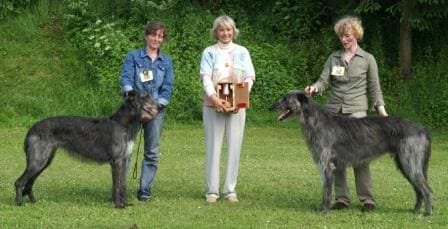
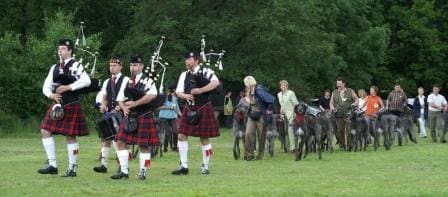
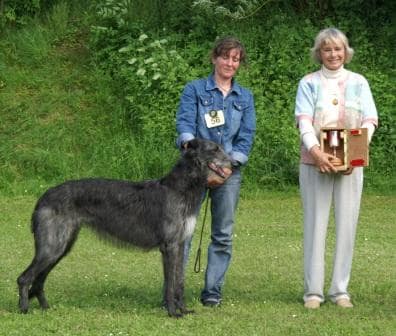
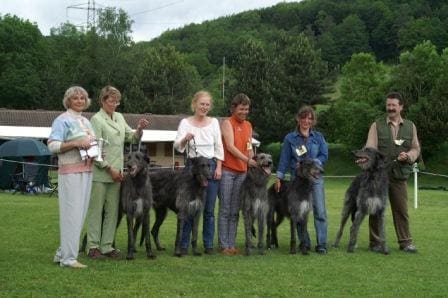
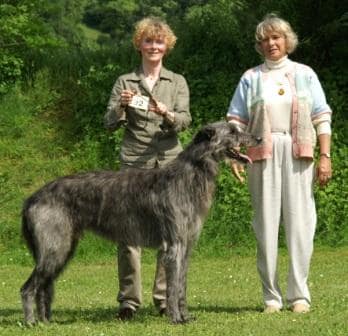
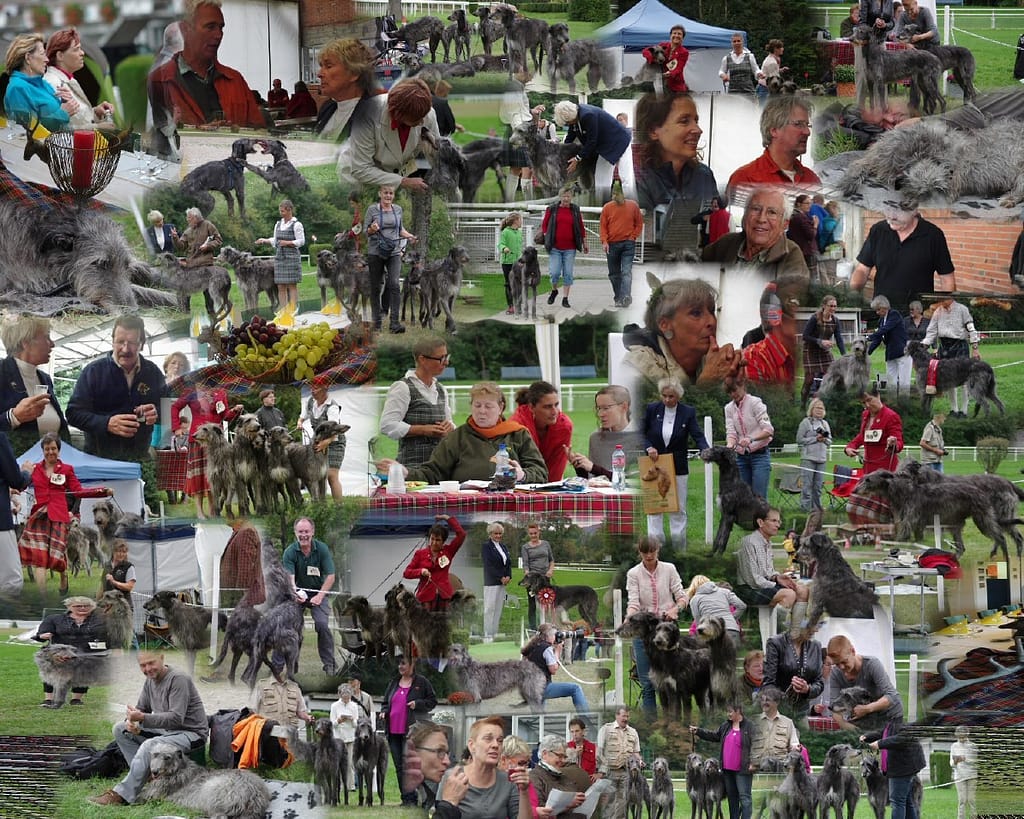
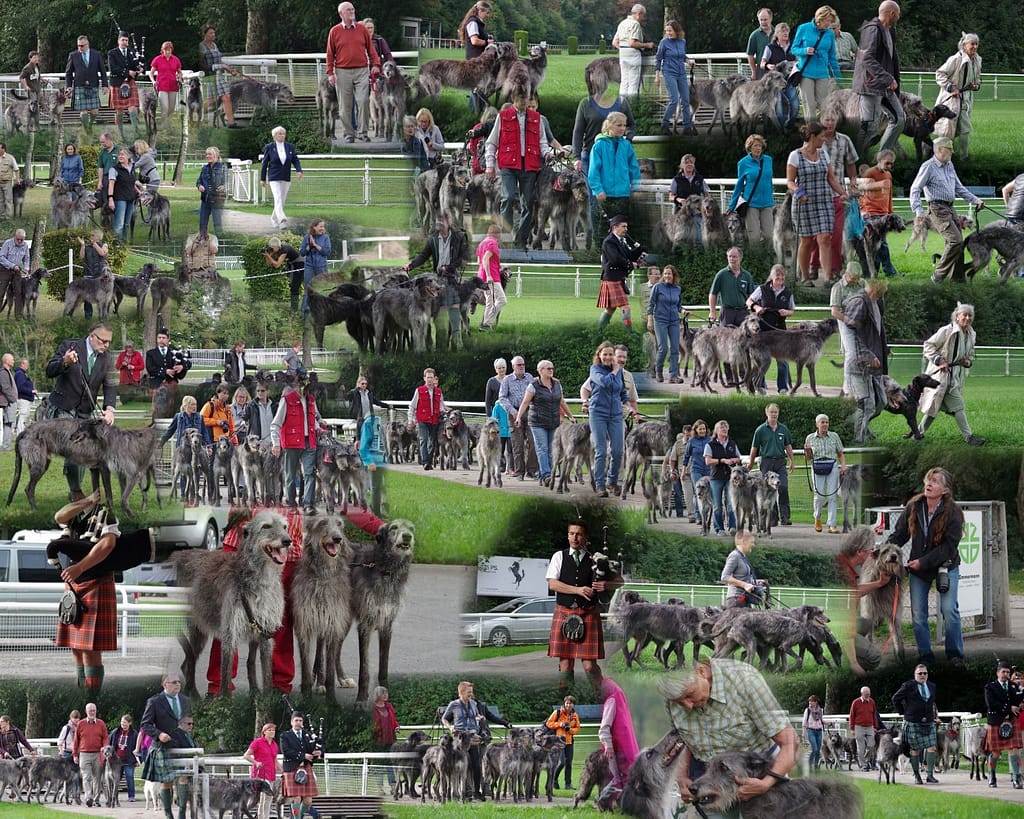
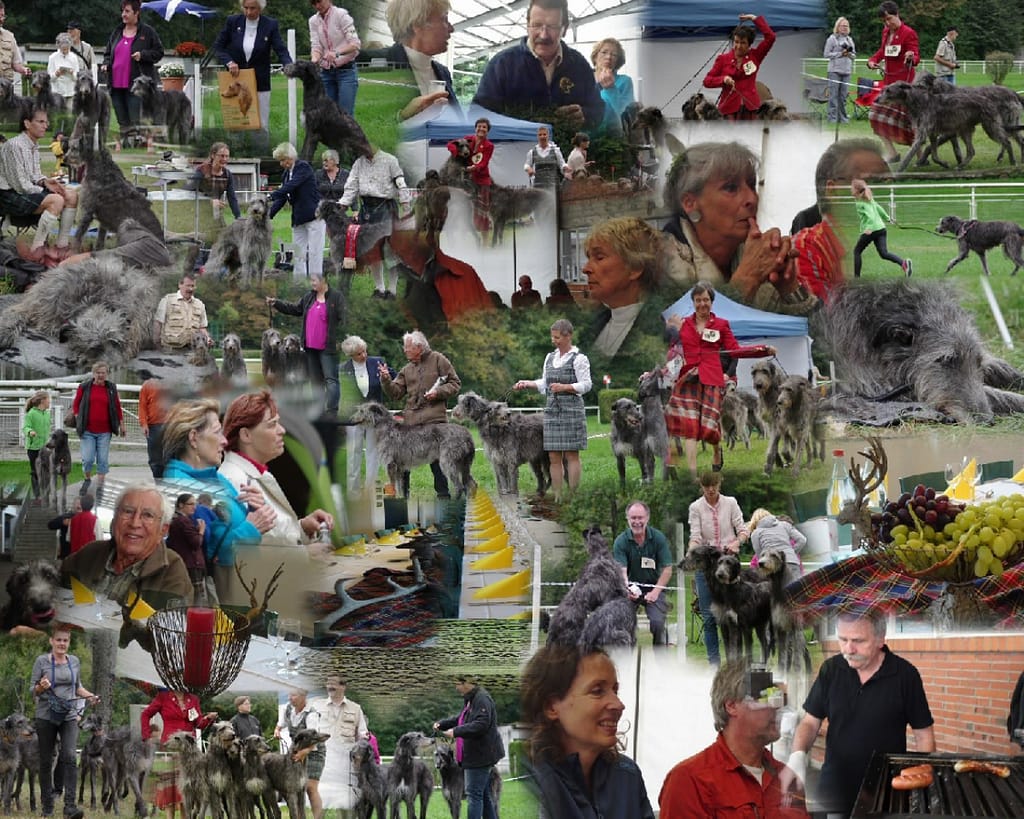
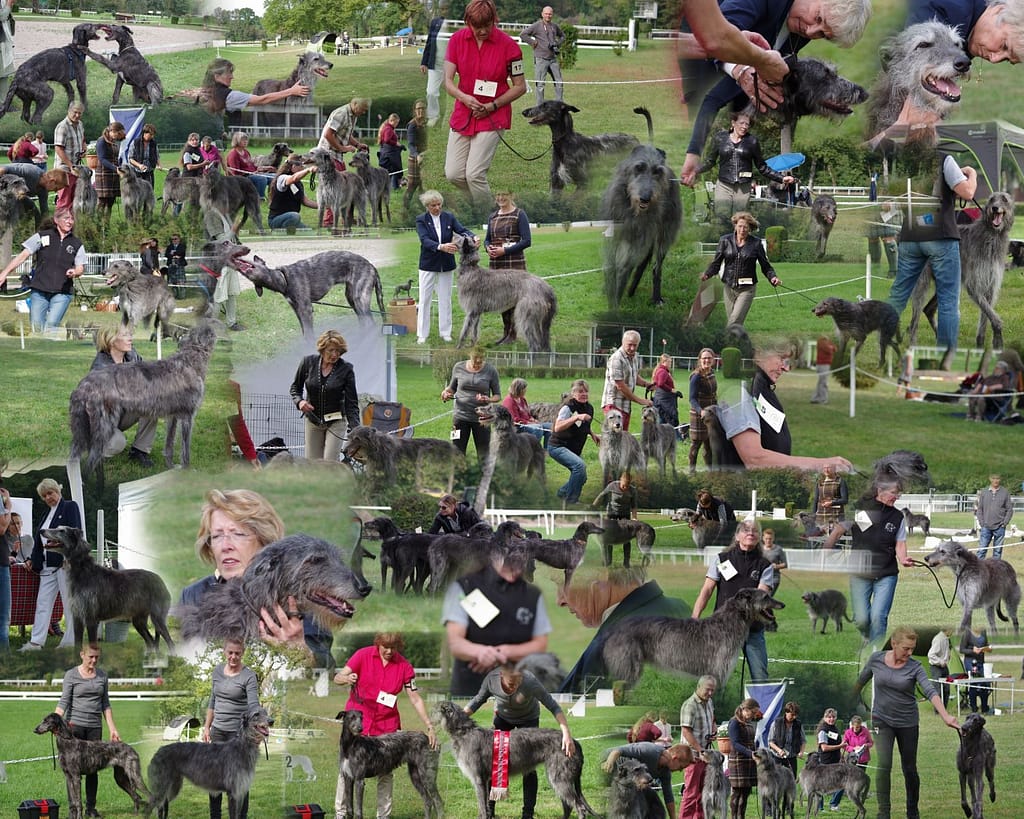
2006 – 2016 clubshow memories
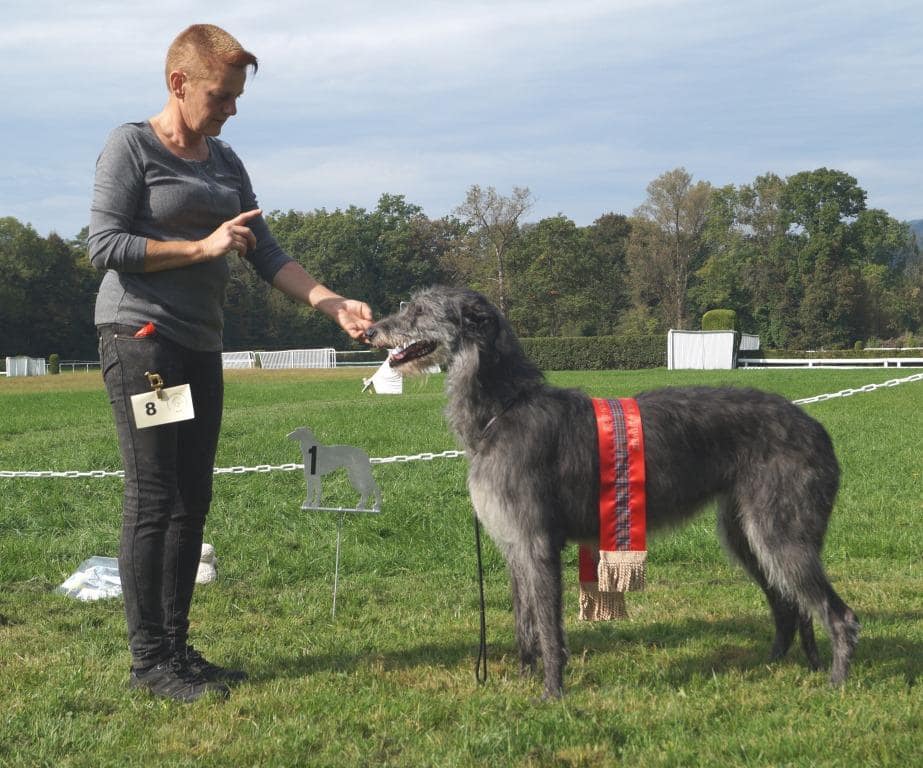
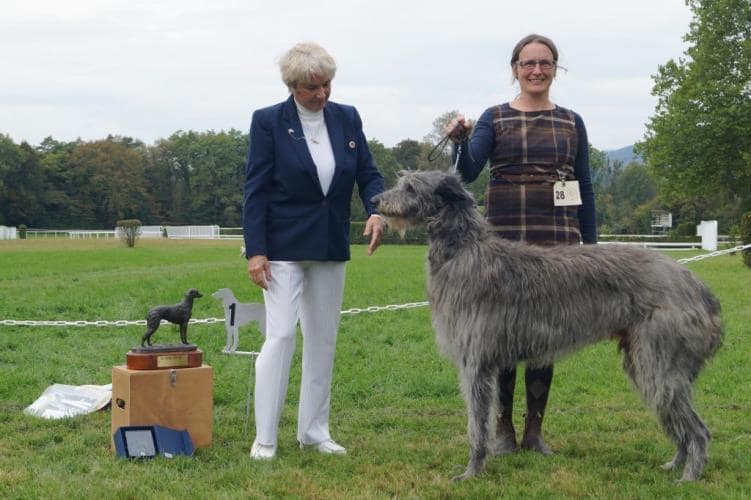
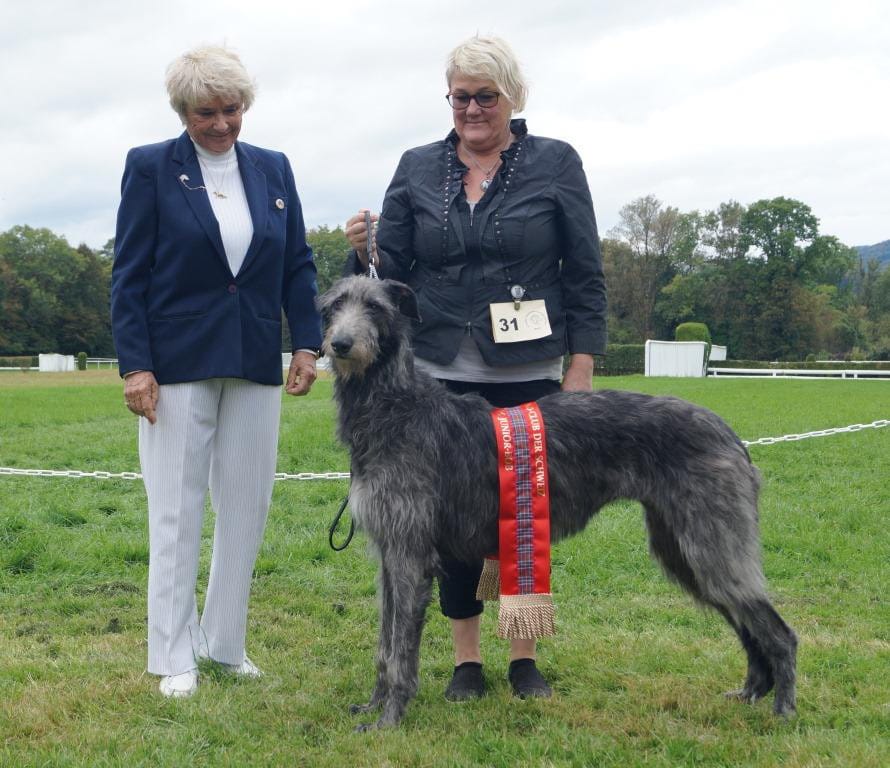
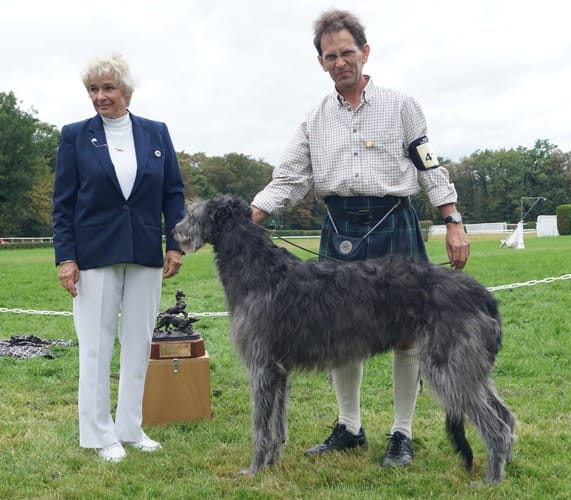

Meet our Judge (showsightmagazine.com/)
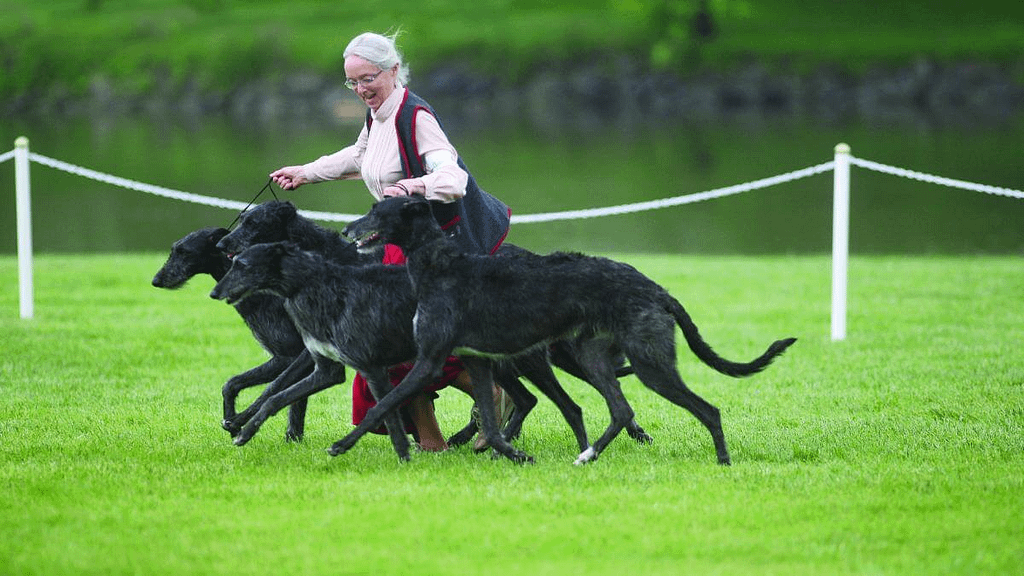
BREEDER QUESTIONS – Barbara Heidenreich (Fernhill Scottish Deerhounds)
1. Please tell us a little bit about yourself. Where do you live? How many years in dogs? How many years as a breeder? What is your kennel name?
A solo bicycling venture as a young teen around Scotland in 1963, exposed me to my first Deerhound on a couch at the Kilmartin Hotel, Argyll (check out Showsight interview February 13, 2023). Finding any information about Deerhounds at that time in Canada was virtually impossible, but I tracked down Audrey Benbow (“Sirhan”), Gayle Bontecou (“Gayleward”) and Jan Buchanan (“Auldstane”) and then in 1970, headed off with my first Deerhound to Columbia University in downtown Manhattan (was I crazy)?! My first litter arrived on March 6, 1975, and Fernhill Scottish Deerhounds, named after my favorite Dylan Thomas poem, was established. Being officially a breeder, has not been easy as my professional careers have been very demanding, sending me to Brazil (without Deerhounds), to Labrador (with Deerhounds), to British Columbia (with Deerhounds), but I have bred/co-bred 43 litters over the past 50 years. In retrospect, I bless this breed as the Deerhounds forced me to purchase in 1973, a farm one hour east of Toronto where on 200 acres, I have been able to raise and course my Deerhounds and maintain a herd of Highland Cattle that reached 90 head.
2. What are the hallmarks of your breed and why are they important for maintaining breed type?
The incredible temperament of Deerhounds: loving, perceptive, with not too bright needy males and smart independent females … catatonic in the house, and the daily “bat-shit crazy zoomies” outdoors has kept me entranced. Their elegant greyhound type beauty is a hallmark of the breed. Maintaining this athletic look is essential as a Deerhound is not a “smaller Irish Wolfhound” but, as the Standard lists as #1 Typical: … a rough-coated greyhound of larger size and bone”. Their sheer joy in coursing real deer or ‘mythical deer’ is ingrained and I marvel to see this historical functional link appear daily, as I watch them on my farm pursuing their passion.
3. In your opinion, are there enough puppy homes to support breeding a litter this year?
Yes, I have a long waiting list and each inquiry receives a copy of my Primer (2023) https://fernhill.com/about-deerhounds/your-scottish-deerhound-primer/ and a copy of my contract (7 year health guarantee for the breed’s hereditary issues) before I send them to another breeder that actually has puppies. Some do turn their interest into a commitment, but it is a breed with specific needs that not everyone can supply.
4. How have you implemented new technologies in science and communications as a breeder?
Additional Deerhound-specific genetic based health tests are a recent positive addition, plus current research on the relationship between diet and cardiomyopathy in the large breeds (after the hiatus on the FDA’s withdrawn accusation linking DCM to the “grain-free-BEG brands”), all of which have been added to my Primer. My pleasure in mentoring, which was totally missing in my initial years in the breed until I went to the U.K Breed show in 1977, has led me to assist in establishing on Facebook a “Scottish Deerhound Learning Centre” where questions can be posed and collective answers provided so new owners benefit from the experience of long-time owners. I enjoy Facebook as a mechanism for keeping up with my puppies and the increasing online archives of historical magazines and books describing the working deerhound of the 1800s which is a goldmine in understanding function in this breed!
5. In your community, have you noticed a change in the public’s perception of purebred dogs?
I follow the research on the comparison of health issues between purebred dogs and mixes, so I am prepared to address the argument that mixes are healthier. However, I don’t think the purebred community uses its strongest case for purebred dogs sufficiently. That is the predictability of each breed’s temperament, behavior and husbandry needs so prospective owners can choose the right dog based on their situation and lifestyle.
6. Have you noticed any trends in the sport? Anything to be concerned about?
I have some concerns about retired handlers now dominating as judges, a far cry from when I started showing in the 1970s – 1980 when breeder-judges were the norm. I see a tendency to ignore the AKC’s requirement for selecting a type and structure that reflects the breed’s function as very few judges have watched Deerhounds coursing. Instead, there appears to be a focus on ‘presentation’ and the “all American show dog” rewarding size in our breed (non-functional, plus shorter life-spans), over-angulation, more coat with a resulting loss of our breed’s “greyhound type”. Not requiring judges’ critiques in North America doesn’t help the situation. The drop in numbers in terms of coursing and showing is a concern, as are photoshopped advertisements and the rush to use sires that have been heavily campaigned but not been seen in person, instead of selecting for the qualities the bitch needs.
7. What are some of the positive changes you’ve seen in the sport in recent years?
(1) Research into breed specific health/genetic issues thanks to Dr. Guillermo Couto DVM and others through the Greyhound Health Initiative, which has done so much to explain biological differences between Greyhounds/Sighthounds and other breeds has resulted in better vet knowledge and a greater focus on health issues and genetic testing within our breed. (2) The increased ability to import/export dogs and frozen semen globally thus allowing greater diversification of the gene pool. (3) The posting of videos and photos of so many shows and coursing events on Facebook’s personal and group sites provides virtual participation and the opportunity to see regularly your friends, especially those veteran two-legged ‘besties’ that have been for the past century (and still are!) running around the ring. YEA!